

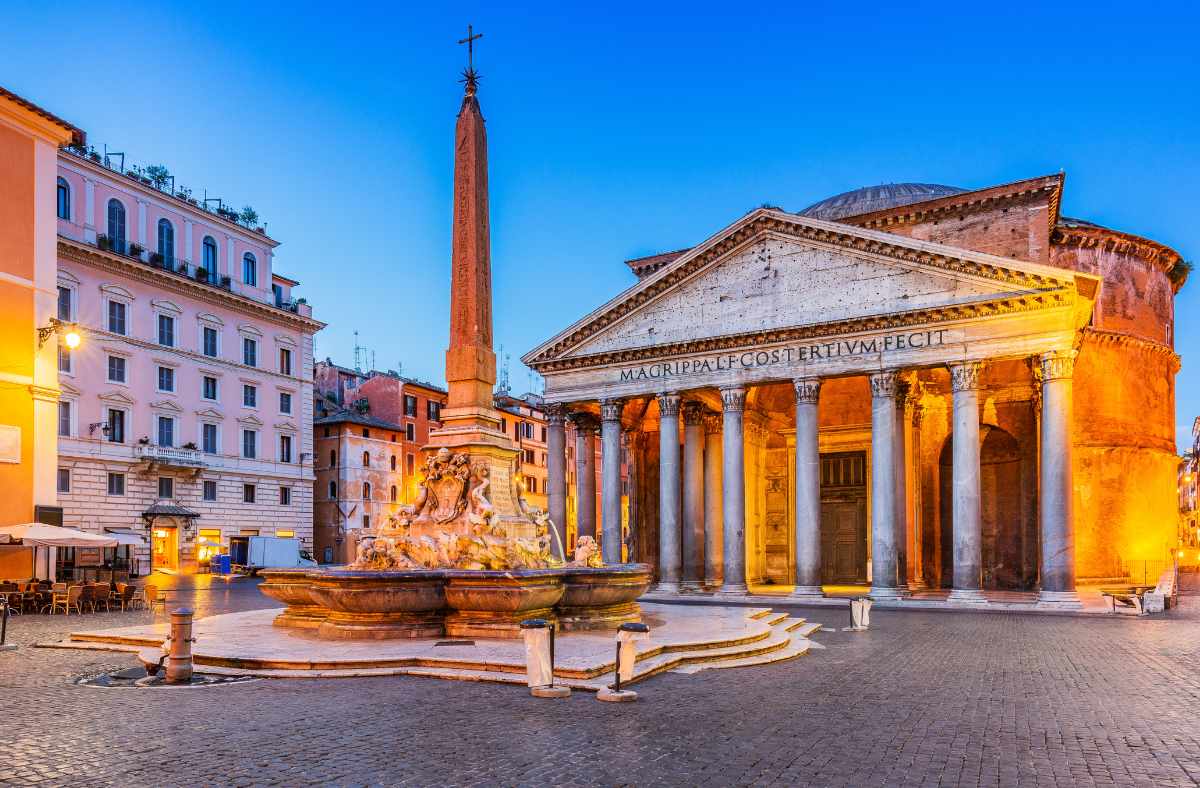
Ah, Rome. Just the name conjures images of ancient temples, Renaissance artistry, and the intoxicating aroma of freshly brewed espresso.
This city is a living museum, a vibrant tapestry woven with millennia of history, culture, and, let’s be honest, some of the best food on the planet.
Whether you’re a history buff, an art aficionado, or simply a wanderer with a taste for la dolce vita, Rome promises an unforgettable adventure.
Grab your walking shoes and an appetite – here’s our curated list of the top places to visit in the Eternal City, complete with insider tips on where to refuel.
Start your Roman holiday with a whirlwind tour of three absolute masterpieces, conveniently located within a short stroll of each other.
Trevi Fountain (Fontana di Trevi)
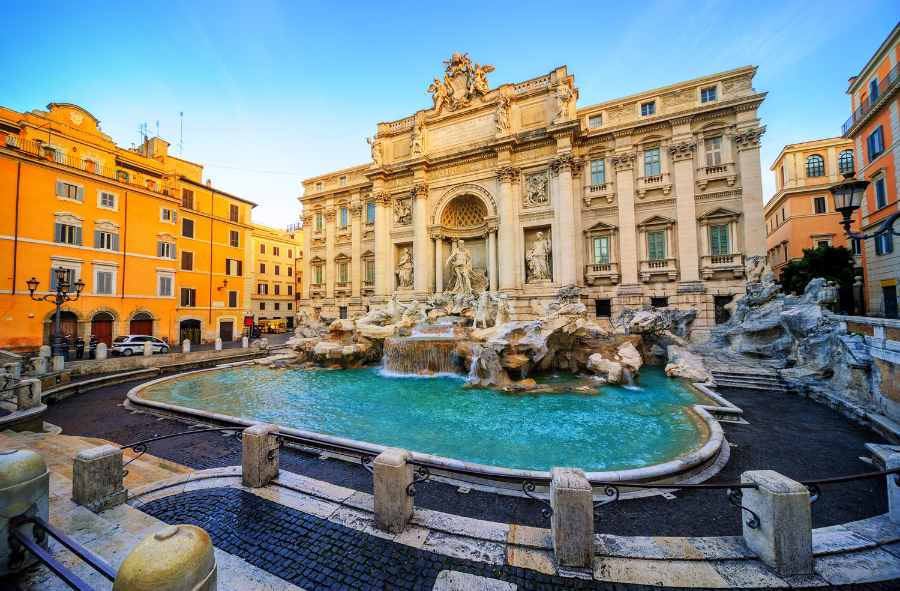
Prepare to be dazzled. This Baroque marvel is larger than life, depicting Neptune, god of the sea, taming wild horses. Toss a coin over your shoulder with your right hand into the fountain to ensure your return to Rome – it’s a timeless tradition!
Snack Stop: Grab a classic Italian gelato from one of the many gelaterias nearby. Just avoid the ones right on the fountain for better quality and price.
Pantheon
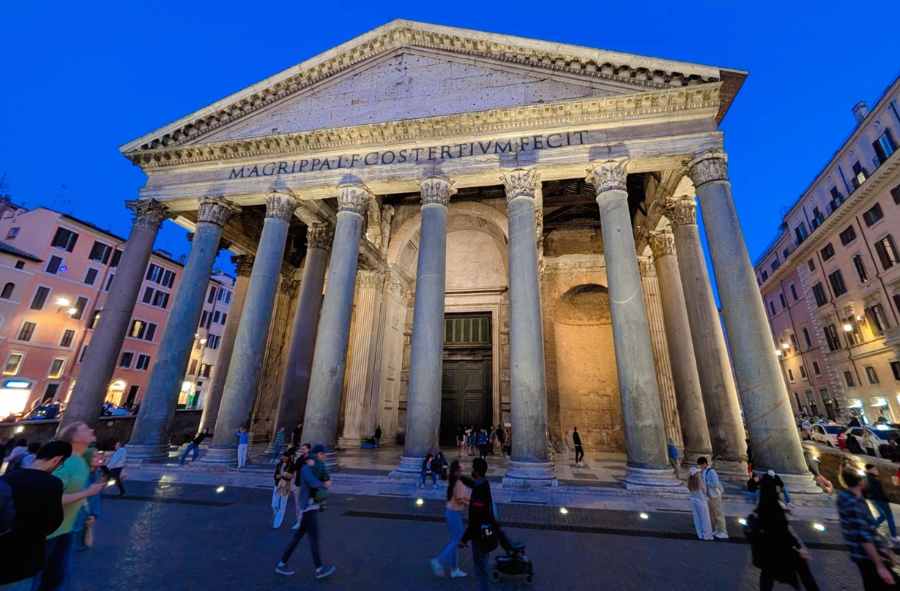
An architectural marvel that has stood for nearly 2,000 years! This former Roman temple, now a church, boasts the world’s largest unreinforced concrete dome with its famous oculus. Stand beneath it and feel the weight of history.
Food Stop: Around the Pantheon, you’ll find quaint trattorias perfect for a quick pasta dish or a classic Roman pizza al taglio (pizza by the slice).

Piazza Navona
This elegant Baroque square, built on the site of an ancient Roman stadium, is home to Bernini’s spectacular Fountain of Four Rivers. Enjoy the street artists, musicians, and vibrant atmosphere.
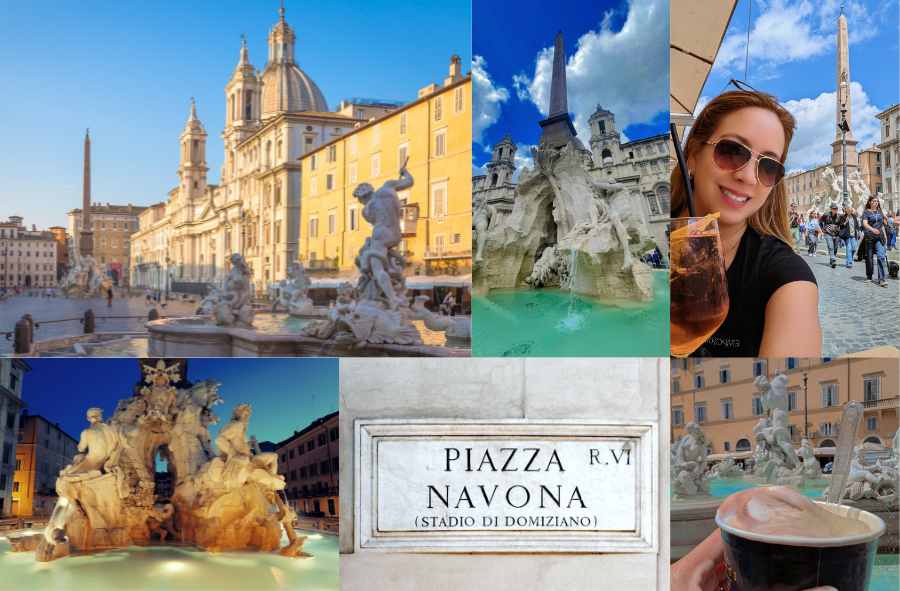
Drink Stop: Find a charming outdoor café and indulge in an aperitivo – perhaps a Spritz or a glass of local wine, accompanied by complimentary nibbles.
Free Walking Tours in Rome:
2. Ancient Rome’s Grandeur: Colosseum, Roman Forum & Palatine Hill
No trip to Rome is complete without stepping back in time to the heart of the Roman Empire.
Colosseum

The undisputed icon of Rome. Imagine gladiatorial contests and wild beast hunts in this colossal amphitheater. Book tickets well in advance to skip the notoriously long lines.
Snack Stop: Vending machines and small stands are available, but for something more substantial, head a few blocks away from the immediate tourist trap areas.
Arch of Constantine

Standing proudly next to the Colosseum, this triumphal arch commemorates Emperor Constantine’s victory at the Battle of Milvian Bridge. Its intricate carvings tell stories of ancient triumphs.
Tip: This is a perfect spot for that iconic Colosseum photo, with the Arch adding to the majestic foreground.
Roman Forum & Palatine Hill
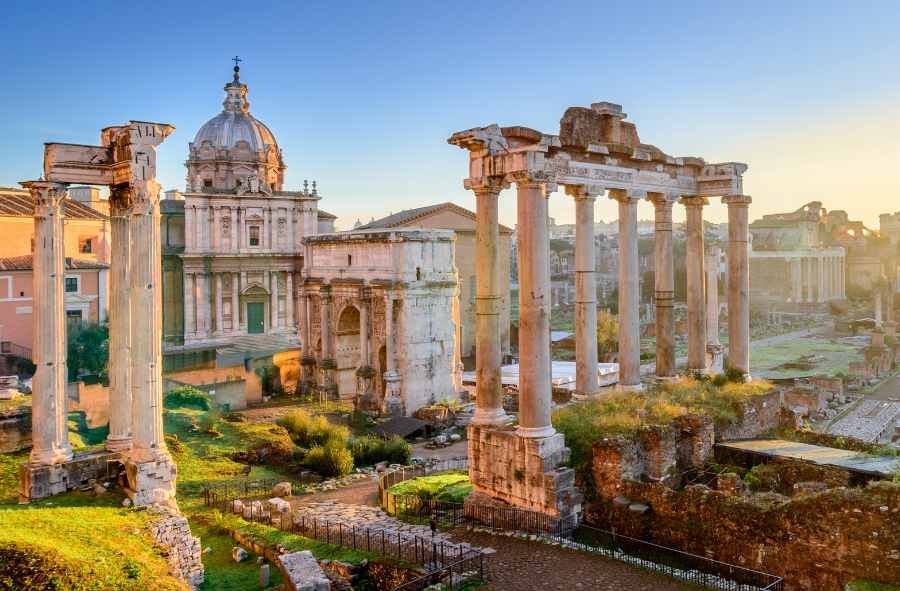
Your Colosseum ticket often includes entry to these adjacent sites. Wander through the ruins of what was once the bustling heart of Roman public life – temples, basilicas, and marketplaces. Then ascend Palatine Hill, one of Rome’s seven hills, for breathtaking panoramic views of the Forum and Circus Maximus, and imagine the emperors who once lived here.
Food Stop: This area is sprawling. Pack some water and perhaps a panino from a local alimentari (grocery store) before you enter, as options inside are limited.
3. A Square with Two Souls: Campo de’ Fiori
Literally translating to “Field of Flowers,” this famous square was once a meadow. Today, it’s one of Rome’s most vibrant and charismatic public spaces, known for having two distinct personalities depending on the time of day.
Look for the imposing, hooded statue in the center of the square. It’s a monument to the philosopher Giordano Bruno, who was burned at the stake for heresy on this very spot in 1600—a somber reminder of the square’s long and complex history.
By Day: From Monday to Saturday morning, the square comes alive with one of Rome’s most beloved open-air markets. It’s a kaleidoscope of colors and aromas, with vendors selling fresh produce, fragrant spices, local cheeses, olive oils, and, of course, beautiful flowers. It’s the perfect place to experience a slice of daily Roman life.
Free Walking Tours in Rome:
By Night: As the sun sets, the market stalls are packed away, and the square sheds its skin. The surrounding buildings, which house a plethora of restaurants, wine bars, and pubs, set up tables outside, and Campo de’ Fiori transforms into a bustling hub of nightlife. It’s a fantastic spot for an aperitivo, a classic Roman dinner, or simply to soak in the lively atmosphere.
Food Stop: You are spoiled for choice here! For a quintessential Roman snack, head to the legendary Forno Campo de’ Fiori on the edge of the square and ask for a slice of their incredible pizza bianca (white pizza) or pizza rossa (with a simple tomato sauce). You can also buy fresh bread, cheese, and prosciutto from the market stalls for a perfect impromptu picnic.
4. Religious Wonders & Baroque Beauty
Rome’s spiritual heart beats strong, offering some of the world’s most breathtaking sacred art and architecture.
Vatican City (St. Peter’s Basilica & Vatican Museums/Sistine Chapel)
An independent city-state within Rome and the smallest country in the world.
St. Peter’s Basilica

A masterpiece of Renaissance architecture and one of the largest churches in the world. Don’t miss Michelangelo’s Pietà and the stunning dome views (climb if you can!).
Vatican Museums & Sistine Chapel
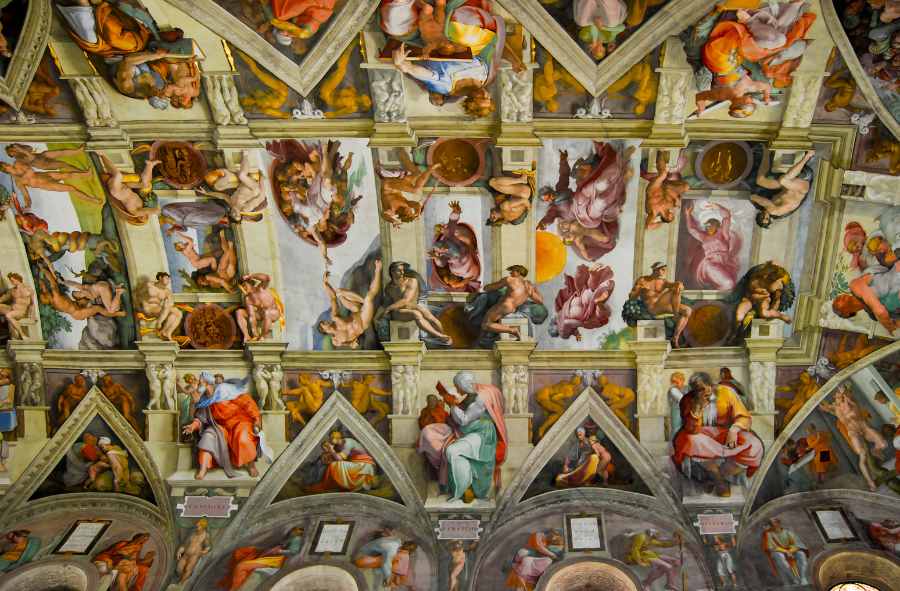
Home to an unparalleled collection of art and artifacts, culminating in Michelangelo’s awe-inspiring frescoes in the Sistine Chapel. Book tickets far in advance and be prepared for crowds.
Food Stop: The area around the Vatican has many trattorias. For a quick and delicious bite, look for a tavola calda offering hot dishes cafeteria-style.
5. Beyond the Colosseum: Imperial Hidden Gems
Once you’ve navigated the major Imperial sites, take a moment to appreciate two lesser-known but equally significant architectural treasures.
Teatro di Marcello (Theatre of Marcellus)
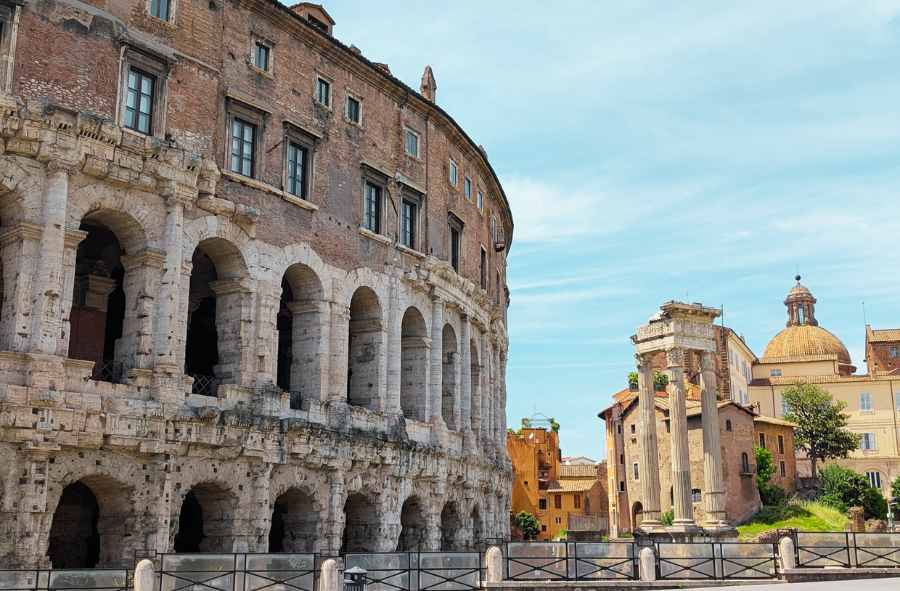
Often mistaken for a smaller Colosseum, this ancient open-air theatre predates its famous cousin. It’s a gorgeous, peaceful ruin where summer performances are still sometimes held. What makes it truly unique? The top floors were converted into apartments and a palace during the Renaissance!
Snack Stop: Nearby, the Jewish Ghetto (Rione Sant’Angelo) offers some of Rome’s most distinct cuisine. Try the famous Carciofi alla Giudìa (fried artichokes) at a local trattoria.
Castel Sant’Angelo

Originally built as a mausoleum for Emperor Hadrian and his family, this cylindrical fortress has served as a papal residence, a prison, and now a museum. Its connection to the Vatican via the Passetto di Borgo (a fortified elevated walkway) is a fascinating piece of history. Don’t miss the terrace for spectacular views of the Tiber River and St. Peter’s Basilica.
Food Stop: The area around Castel Sant’Angelo offers great dining. For an unbeatable view, grab a coffee or quick bite at the Caffetteria Ristorante Le Terrazze inside the castle itself. For traditional Roman fare nearby, look for La Fraschetta di Castel Sant’Angelo.
6. Baroque Masterpieces
End your journey by soaking up Rome’s dazzling Baroque era and indulging in some high-street glamour.
Saint Ignatius Church (Chiesa di Sant’Ignazio di Loyola)
Prepare for a delightful optical illusion! This church’s ceiling is a breathtaking example of trompe-l’œil. Since the actual dome was never built, artist Andrea Pozzo painted a masterpiece that creates the illusion of a towering dome opening up to the heavens. It’s a must-see for art lovers.
Tip: Look for the small disk on the floor to find the exact spot where the dome illusion is perfectly aligned.
Spanish Steps (Scalinata di Trinità dei Monti)
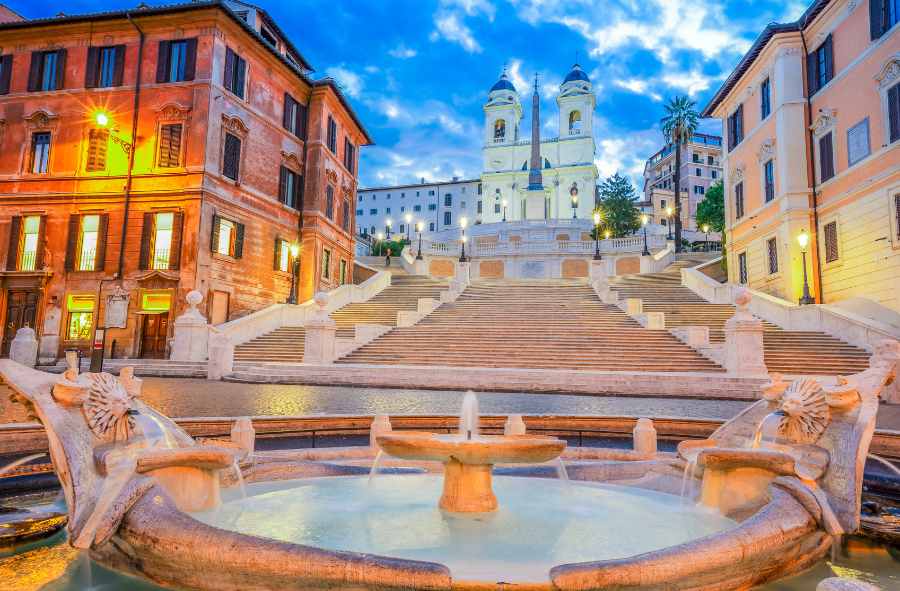
The 135 steps connect the Piazza di Spagna below with the Trinità dei Monti church above. While sitting on them is no longer allowed, the area is vibrant, especially when decorated with flowers in the spring. It’s an ideal spot for people-watching.
Drink Stop: Before or after your climb, enjoy a scoop from the famous Gelateria della Palma or an espresso at the legendary Antico Caffè Greco nearby.
Free Walking Tours in Rome
7. The Tridente: Where History Meets Haute Couture

The glamorous area surrounding the Spanish Steps is the epicenter of Roman shopping, forming a trident-shaped district that caters to every budget, from designer dreams to high-street favorites.
Via dei Condotti (The Luxury Core)
This is Rome’s equivalent of Beverly Hills’ Rodeo Drive or Paris’s Champs-Élysées. It’s the most exclusive street, where every major Italian and international fashion house—think Gucci, Prada, Dior, and Valentino—showcases its flagship boutiques. Even if your budget doesn’t allow for a purchase, the dazzling window displays are a spectacle in themselves.
Via del Corso (The Heartbeat of High Street)
This long, bustling boulevard runs from Piazza Venezia to Piazza del Popolo and is the city’s main commercial artery. Here you’ll find accessible, popular brands like Zara, H&M, and other international chains, alongside Italian mid-range shops. It’s retail therapy for all!
Food Stop: Take a quick, classy break inside the elegant Galleria Alberto Sordi on Via del Corso for a coffee or snack amidst stunning Art Nouveau architecture.
Last Words: Planning Your Visit
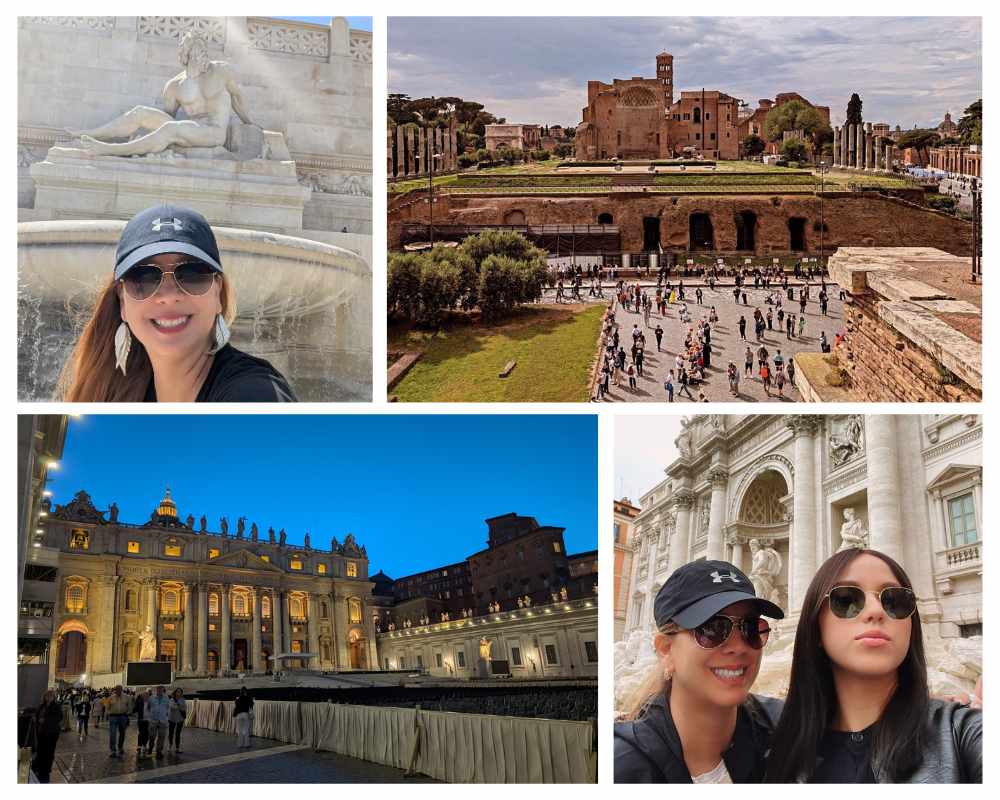
Rome is a city best explored on foot. Combine your visits to these sites by neighborhood (e.g., Trevi/Pantheon/Piazza Navona on one day, Colosseum/Forum on another) and always be sure to wear comfortable shoes.
Most importantly, remember to slow down, savor a coffee or gelato, and embrace the chaos and charm that make Rome truly Caput Mundi—Capital of the World.
Enjoy your trip!

Denisse Romero
Denisse is a global education and communications consultant, as well as the main person behind MacQuil. As an international mentor and frequent traveler, she enjoys sharing information to help anyone travel, study or work abroad.
Denisse holds a Master's in Management from GWU, a Master's in Education from Harvard University and an Executive Coaching Certificate from the University of Cambridge.







)